
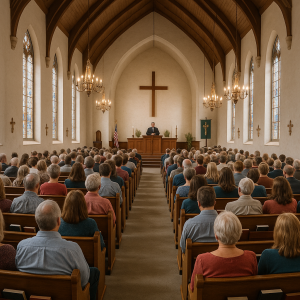
 Finding a local church used to mean driving around town, asking neighbors, or relying on word of mouth. Now, with online church directories like those found on 주소모음사이트, you can explore congregations in your area without leaving home. These tools let you search by location, denomination, worship style, or even service time. Used effectively, they can help you find a place of worship that aligns with your beliefs and suits your schedule.
Here’s a practical guide to making the most of online church directories.
1. Choose a Reliable Directory
Not all directories are created equal. Some focus on a single denomination, while others encompass churches from various traditions. A few popular, broad-coverage options include:
- ChurchFinder.com – Lets you search by zip code, city, or denomination, with reviews from members.
- USA Churches – Offers a map-based search with filters for size, worship style, and ministries.
- FaithStreet – Highlights upcoming events and service times, useful for newcomers.
If you belong to a specific tradition, your denomination’s official website may have its own directory. For example, Catholic dioceses, Baptist conventions, or Methodist conferences often list all affiliated churches in their regions. These tend to be more accurate and up-to-date for that denomination.
2. Start With Location
Most directories offer a simple location search feature. Enter your zip code, city, or even your full address. Many tools will display results in order of proximity, often showing them on a map so you can quickly gauge driving time.
Tip: Don’t limit yourself to your exact neighborhood. Sometimes a great fit is just a short drive away, especially if you’re looking for a specific worship style or community program.
3. Use Filters to Narrow Your Search
Online directories often let you filter by:
- Denomination or theological tradition – If this is important to you, it’s an easy way to narrow the list.
- Service times – Helpful if you work weekends or have a tight schedule.
- Language – Many churches offer services in languages other than English.
- Accessibility – Look for wheelchair access, hearing assistance, or other accommodations.
- Special ministries, such as youth groups, recovery programs, or community outreach.
The more specific you are, the less time you’ll spend sifting through churches that don’t match your needs.
4. Read the Church Profiles
A directory listing typically includes a brief description, leadership information, service schedule, and contact details. Some go further, with photos, videos, or links to recent sermons. Take the time to read these profiles carefully.
Look for:
- Core beliefs – Does the church share a statement of faith or mission?
- Community focus – Do they emphasize outreach, teaching, worship, or fellowship?
- Worship style – Traditional liturgy? Contemporary music? Blended services?
These details help you get a feel for the church before visiting.
5. Check for a Website or Social Media Link
Many directories include a direct link to the church’s own website or Facebook page. This is where you’ll find the most current information—service changes, event announcements, and recent sermon recordings. A church’s online presence can also give you insight into its culture and values.
6. Read Reviews (With Care)
Some directories allow visitors or members to leave reviews. While these can be helpful, treat them as one person’s perspective. A glowing review might reflect someone’s deep personal connection, while a negative one could stem from a single bad experience. Use reviews as one piece of information, not the deciding factor.
7. Make a Shortlist
After browsing, pick three to five churches that seem like a good match. Take note of their addresses, service times, and any information in their profiles that catches your interest. Keeping a shortlist makes it easier to plan visits without feeling overwhelmed.
8. Visit in Person
An online directory can provide you with facts and photos, but there’s no substitute for attending a service in person. When you visit:
- Observe the welcome process. Do greeters acknowledge you? Is it easy to find your seat?
- Notice the worship style. Does it feel engaging and authentic to you?
- See how the community interacts. Do people talk to each other before and after the service?
It often takes more than one visit to understand a church truly. Don’t be discouraged if the first one you try isn’t the right fit.
9. Follow Up
If you find a church you like, use the contact information from the directory to reach out. Ask about small groups, volunteer opportunities, or membership classes. Many congregations are happy to connect newcomers with someone who can answer questions.
10. Keep the Directory Handy
Even after you’ve found a home church, an online directory can be helpful. If you’re moving, traveling, or looking to explore different worship styles, it’s a quick way to find local services. Some people also use directories to discover special services during holidays like Easter or Christmas.
Final Thoughts
Online church directories eliminate much of the guesswork involved in finding a local place of worship. They’re convenient, searchable, and often filled with helpful details you’d never learn just by driving past a building. By using location tools, filters, and church profiles, you can quickly narrow your choices. Then, with a little in-person exploration, you can find a community where you feel spiritually at home.
 A church is more than just a building—it is a sanctuary, a place of worship, fellowship, and community. Whether it’s a Sunday service, a wedding, or a Bible study session, a comfortable environment is essential for congregants to feel at ease and fully engaged in their worship experience. Choosing the right air conditioning system and services for your church can make all the difference in ensuring a welcoming and pleasant atmosphere.