
Children are naturally curious about the world around them. They ask why the sky changes color, where animals live, how plants grow, and why the seasons change. Parents have an opportunity to encourage this curiosity while teaching children to appreciate nature and understand their responsibility toward the environment.
Learning Through Everyday Experiences
See how:
Exploring Plants and Animals
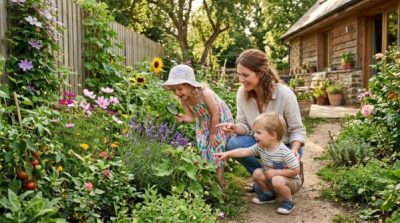 A simple walk through a neighborhood, garden, or park can become a science lesson. Children can observe different plants, insects, birds, and changes in weather.
Parents can encourage them to ask questions rather than immediately providing every answer.
Gardening as a Learning Activity
Growing plants teaches children about soil, water, sunlight, and biological growth. Even a small container garden can demonstrate how living things depend on their environment. It can also encourage patience and responsibility.
Connecting Care and Stewardship
Check these out:
Respect for Living Things
Families can teach children that nature is made up of interconnected living systems. Small actions such as avoiding unnecessary litter, caring for plants, and treating animals gently can reinforce respect for the environment.
Simple Habits Matter
Children can participate in age-appropriate activities such as sorting recyclables, turning off unused lights, and conserving water. These habits can become part of everyday family routines.
Encouraging Curiosity
Parents do not need to know the answer to every scientific question. Looking up reliable information together can demonstrate that learning is an ongoing process. Books, museums, documentaries, and outdoor experiences can all support children’s interest in science.
Conclusion
Families can make science and environmental learning part of everyday life. Observing nature, growing plants, asking questions, and practicing responsible habits can help children develop curiosity and respect for the world around them. With encouragement from parents, ordinary moments can become meaningful learning opportunities.