
The Aspen Institute’s Project Play initiative has repeatedly emphasized that parental support plays a major role in youth sports participation, emotional well-being, and long-term character development. While coaches and teammates influence athletic growth, many male athletes first learn discipline, resilience, and spiritual values at home, often through the guidance of their mothers.
Stories connected to men in sports frequently highlight the role of mothers in shaping personal values beyond competition. From early morning practices to emotional support after difficult losses, mothers often become the steady presence that teaches boys how to carry themselves with humility, respect, and faith. These lessons may begin quietly at home, yet they often remain with athletes long after their playing days are over.
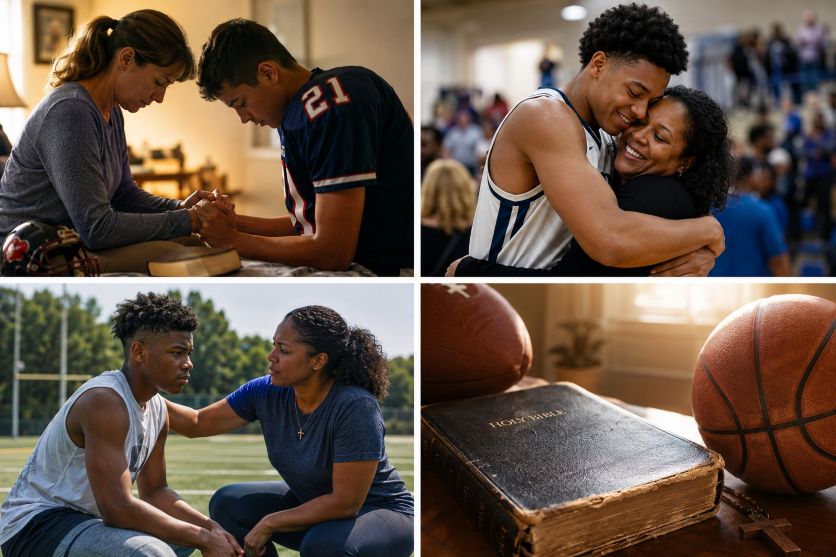
The Early Influence of Mothers in Youth Sports
Many young boys enter sports before they fully understand competition. At first, sports are about movement, excitement, and spending time with friends. Over time, however, routines become more serious. Practice schedules, school responsibilities, and physical training require structure. Mothers frequently help build that structure long before coaches step in.
Research published by The American Academy of Pediatrics notes that consistent parental involvement can positively affect a child’s emotional development and confidence in organized activities. Mothers often become the organizers behind the scenes, managing schedules, encouraging healthy habits, and teaching accountability. These everyday routines quietly develop discipline that later becomes essential in athletics.
Despite the growing competitiveness of youth sports, many mothers continue emphasizing values beyond winning. Boys are often reminded to respect referees, listen to coaches, and support teammates regardless of the outcome of a game. These small lessons shape emotional maturity. Athletes who learn humility early tend to handle both victory and disappointment with greater balance.
Faith Often Begins at Home
Faith and spirituality also tend to develop through family environments. For many athletes, religious values are introduced through daily habits rather than formal lessons alone. Prayer before meals, attending worship services, reading scripture, or discussing moral decisions can become part of a child’s routine from an early age.
Pew Research Center has reported that parents remain one of the strongest influences on a child’s long-term religious identity and spiritual outlook. Mothers, in particular, are often deeply involved in maintaining family traditions connected to faith. When boys participate in sports, those same values may help guide their behavior during stressful or emotional moments.
Young athletes eventually face disappointment. Some lose important games. Others struggle with injuries, rejection, or reduced playing time. During these moments, mothers often help sons process frustration in healthier ways. Rather than allowing setbacks to define personal worth, many encourage resilience, gratitude, and patience through spiritual guidance.
Faith-based encouragement can also help athletes maintain perspective. Competition may feel overwhelming for teenagers who are trying to meet expectations from coaches, schools, and peers. Mothers who reinforce spiritual values often remind their sons that identity should not depend entirely on performance or public recognition.
The Emotional Side of Sports
Modern sports culture sometimes places enormous pressure on boys and young men. Social media, scholarship opportunities, and public rankings can create anxiety even at young ages. Experts from The National Alliance for Youth Sports have noted increasing concerns about emotional burnout among student athletes. These challenges highlight the importance of emotional support systems at home.
Mothers frequently become emotional anchors during difficult seasons. Some encourage sons after disappointing performances. Others help athletes manage fear before competitions or recover emotionally after criticism. This support is rarely visible to the public, yet it plays a major role in helping athletes remain mentally stable.
Importantly, mothers often teach boys that character matters more than trophies. Athletes may remember conversations about honesty, kindness, or self-control long after they forget scores and statistics. Those values can influence how they treat teammates, opponents, and even future family members.
Many professional athletes have publicly spoken about this influence. Basketball star Stephen Curry has frequently discussed the role his mother Sonya Curry played in developing discipline and faith within their household. Football quarterback Jalen Hurts has also spoken about family support and strong values shaping his approach to leadership and pressure.
Sportsmanship and Spiritual Growth
Sports naturally create moments that test character. A player may face unfair criticism, difficult refereeing decisions, or intense rivalries. These situations reveal emotional habits developed long before adulthood. Athletes raised with strong moral foundations often approach conflict differently.
Mothers who encourage empathy and self-control can influence how boys respond under pressure. Instead of reacting with anger, some athletes learn patience and composure. Instead of focusing entirely on personal success, they may become more supportive teammates.
These lessons connect closely with religious teachings found across many faith traditions. Concepts such as humility, perseverance, forgiveness, and service frequently overlap with positive sportsmanship. Discussions surrounding the relationship between faith and athletic culture continue to highlight how spiritual values can influence behavior both on and off the field. As a result, athletics can become an environment where personal beliefs and moral principles are practiced in real-world situations.
Sports participation can even strengthen family bonds connected to faith. Some families pray together before games. Others discuss life lessons after competitions during long drives home. These moments create conversations that extend beyond athletics and into personal growth.
The Lasting Impact Beyond Athletics
The influence of mothers often continues long after organized sports end. Former athletes frequently carry the habits and values learned during childhood into workplaces, relationships, and parenthood. Discipline developed through training may later help with career success. Respect learned in team environments may strengthen leadership abilities.
Harvard Graduate School of Education has emphasized that emotional intelligence, empathy, and moral guidance during childhood can significantly affect adult behavior and relationship quality. Many of those early lessons are reinforced daily within the family environment.
Former competitors who were guided by strong family values often become mentors themselves. Some coach younger athletes. Others become fathers who repeat the same lessons they once received at home. The cycle of encouragement, discipline, and spiritual grounding continues across generations.
Although coaches, schools, and organizations all contribute to athletic development, mothers frequently provide the emotional and spiritual foundation that shapes long-term character. Their influence may not appear in highlight reels or championship statistics, yet it remains deeply connected to how athletes handle success, adversity, and responsibility throughout life.
Conclusion
Behind many successful male competitors is a mother who quietly helped shape habits, values, and emotional strength from an early age. Through encouragement, structure, and spiritual guidance, mothers often teach boys how to approach competition with humility and resilience. These lessons influence far more than athletic performance.
Faith-centered support at home can help sportsmen maintain perspective in highly competitive environments. More importantly, it can help them grow into respectful leaders, supportive teammates, and emotionally grounded adults. Long after games are finished and trophies fade, the values taught through motherhood frequently remain at the center of an athlete’s identity.