
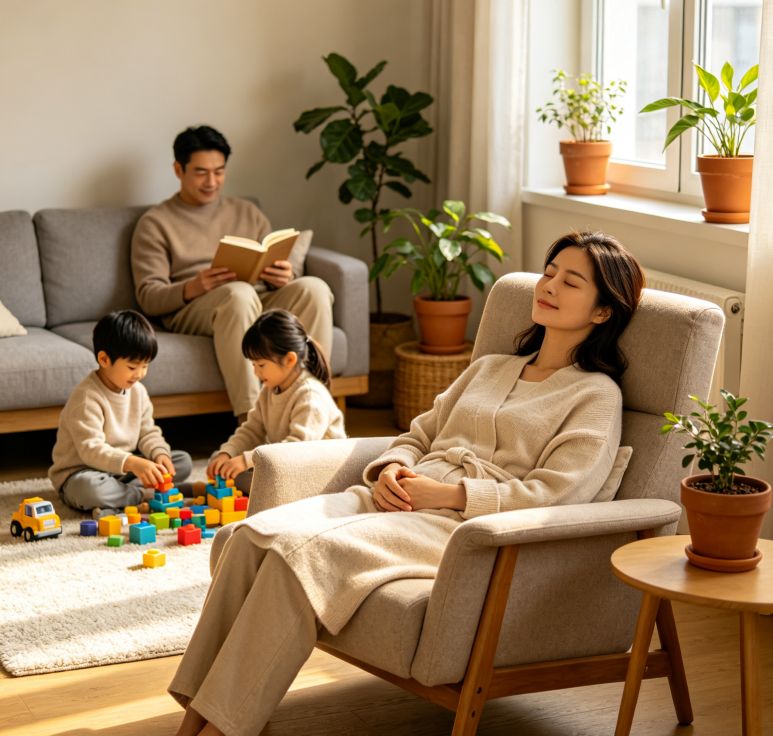
Caregiving responsibilities can create significant physical and emotional demands, especially for mothers who often balance family needs, household tasks, work, and emotional support for others. Research from the World Health Organization highlights that unpaid caregivers may experience stress and fatigue when ongoing responsibilities leave little time for their own health and recovery. This reality has encouraged a broader conversation about whether rest should be viewed as a necessary part of caregiving rather than an act of self-interest.
For generations, many mothers have been taught that putting their children and families first is the highest expression of love. This belief remains meaningful for many families, yet modern wellness discussions are exploring ways to support caregivers through healthier routines. Some families researching recovery options have shown interest in approaches such as Solbasium helios, a wellness technology designed around light-based relaxation and recovery experiences. These approaches are often considered alongside established habits such as proper sleep, nutrition, movement, and emotional support.
The Traditional Expectation of Self-Sacrifice in Motherhood
Motherhood has often been associated with constant availability and personal sacrifice. Many mothers feel pressure to manage family responsibilities before considering their own needs. Cultural expectations, family traditions, and social messages can reinforce the idea that a devoted mother should always put herself last.
There are valuable qualities within this mindset. Providing care, offering emotional security, and supporting children’s development are important parts of family life. However, experts note that continuous self-neglect can affect a caregiver’s ability to maintain energy and emotional balance over time.
Findings from the American Psychological Association indicate that chronic stress can influence physical and mental well-being. For caregivers, ongoing stress may contribute to exhaustion, difficulty concentrating, and reduced emotional resilience. Recognizing these challenges does not diminish the importance of caregiving. Instead, it creates an opportunity to consider how caregivers can remain present while protecting their own health.
Why Self-Care Can Strengthen Caregiving
The idea of self-care has shifted from being viewed as an occasional luxury to being recognized as part of sustainable health management. Rest, recovery, and personal time can help caregivers maintain the patience and focus needed for family responsibilities.
Studies published by the Harvard Health Publishing explain that relaxation practices and healthy lifestyle habits can support stress management. Activities such as walking, meditation, social connection, and adequate sleep are commonly recommended strategies for improving overall well-being.
For mothers, self-care does not need to involve major lifestyle changes. Small moments of recovery can make a difference. A quiet morning routine, time spent outdoors, reading, stretching, or connecting with friends can provide emotional renewal. These practices may help caregivers approach family responsibilities with greater stability and awareness.
Restorative Wellness as Part of a Balanced Lifestyle
Restorative wellness practices are becoming more common as families look for ways to support relaxation and recovery. These practices are intended to complement existing healthy habits rather than replace them. Medical guidance, spiritual reflection, family relationships, and daily routines remain important foundations of personal and family wellness.
Light-based wellness technologies are one example of the recovery methods some people explore. Research into photobiomodulation, a process involving specific wavelengths of light, has examined possible effects related to cellular activity, inflammation, and tissue recovery. Reports from the National Center for Complementary and Integrative Health emphasize that people should consider evidence, safety, and professional guidance when exploring complementary health approaches.
Families may approach these tools in different ways. For some, they may represent a structured opportunity to pause and recharge. For others, traditional forms of rest, community support, or personal reflection may be more meaningful. Creating a calm living environment can also contribute to everyday well-being, as discussed in finding peace and renewal at home. The key consideration is whether a practice contributes positively to a caregiver’s overall routine.
Finding Balance Between Giving and Receiving Care
Compassionate motherhood involves responding to the needs of others, but it also requires awareness of personal limits. A caregiver who has time to recover may be better prepared to provide consistent emotional and practical support.
Experts from the Mayo Clinic frequently emphasize the importance of healthy coping strategies, including maintaining social connections, managing stress, and making time for personal health. These recommendations reflect a growing understanding that caregivers need support systems of their own.
A balanced approach does not mean reducing love or commitment to family. It means recognizing that long-term caregiving depends on physical energy, emotional strength, and sustainable habits. Mothers who allow themselves moments of restoration may model an important lesson for their children: caring for others and caring for oneself can exist together.
The Future of Caregiving and Intentional Rest
As conversations around family wellness continue to evolve, intentional rest is becoming a more accepted part of caregiver resilience. The traditional image of motherhood built around endless giving is gradually expanding to include recovery, reflection, and personal well-being.
Rest does not replace compassion, responsibility, or family connection. Instead, it can support the ability to continue providing care over many years. By combining healthy routines, meaningful relationships, and thoughtful recovery practices, caregivers can create a more sustainable approach to family life. Intentional moments of renewal may become an important part of protecting both physical health and emotional resilience for mothers and the families who depend on them.